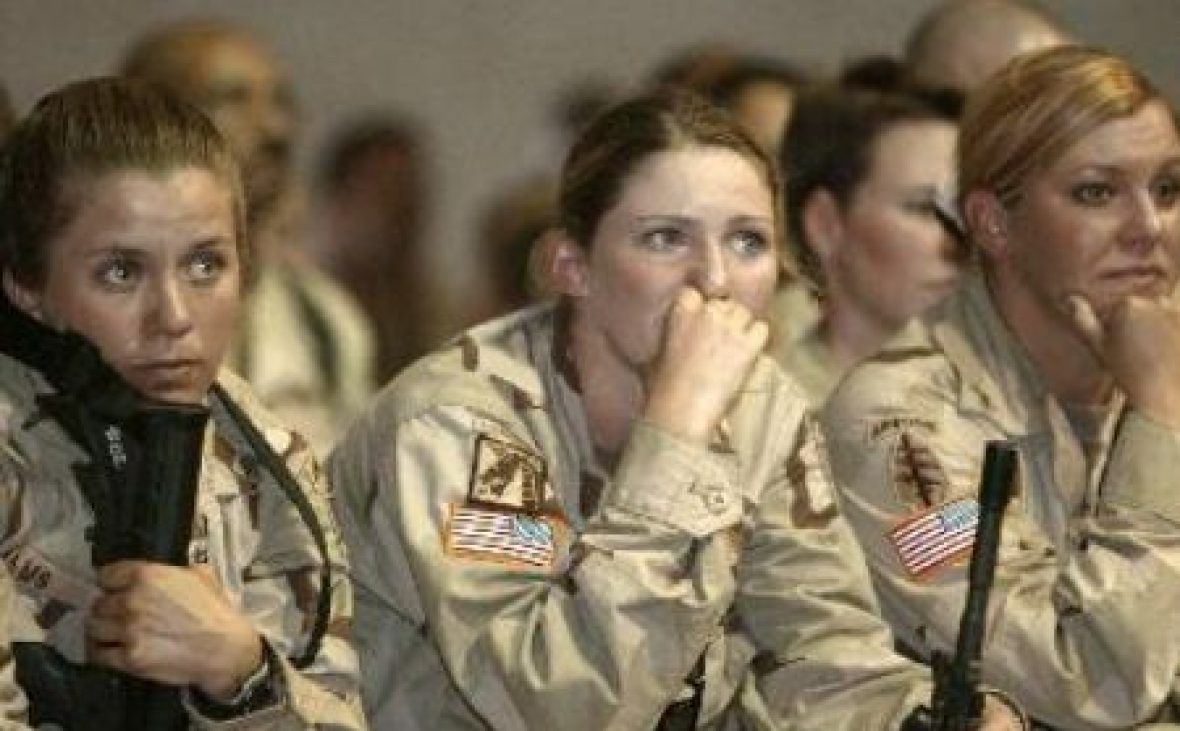
We provide training for allied professionals who may work with MST survivors or are interested in supporting them. At MRCC, we offer workshops designed to enhance resiliency and develop skills that promote safety and well-being in our community. Below are examples of workshops we have conducted in the past:
Workshop: Supporting Military Sexual Trauma Survivors as a Civilian Advocate
This workshop is designed for civilians with limited knowledge of military culture who want to support survivors of Military Sexual Trauma (MST). Participants will learn about the unique challenges survivors in the military face, including navigating military systems and accessing resources. The session will cover trauma-informed advocacy, cultural competency, and best practices for providing compassionate, effective support.
Advocacy and Survivor Support
This training focuses on equipping participants to effectively support Military Sexual Trauma (MST) survivors. Topics include navigating military and VA systems, understanding survivor rights, and connecting individuals to civilian and military resources. Participants will also learn strategies for empowering survivors to share their voices and advocate for change.
Leadership Accountability
This training is designed to help military leaders understand their role in addressing sexual violence within their units. It focuses on ensuring accountability, creating a culture of trust, and implementing transparent processes for reporting and responding to incidents. Leaders will gain tools to support survivors while prioritizing unit cohesion and mission readiness.
Crisis Response Team Training
This training equips Sexual Assault Response Teams (SARTs) with the knowledge and skills needed to respond effectively to incidents of sexual violence. Participants will learn how to collaborate across roles, including victim advocates, medical staff, legal professionals, and command leadership, ensuring a survivor-centered and coordinated response.
Advocacy and Survivor Support
This training prepares participants to advocate for MST survivors by providing trauma-informed care and navigating complex systems such as the military, VA, and legal processes. It emphasizes understanding survivor rights, connecting survivors to resources, and empowering them to reclaim their voices and seek justice.
Prevention and Awareness
This training focuses on strategies to prevent sexual violence and promote awareness within military and civilian communities. Participants will explore topics such as consent, bystander intervention, and dismantling harmful cultural norms. The goal is to create safer environments through education and proactive measures.
Trauma-Informed Care
This training teaches participants how to provide compassionate, survivor-centered support rooted in trauma-informed principles. Topics include recognizing trauma responses, understanding the impact of MST on mental and physical health, and building trust with survivors to create a safe and supportive environment.


 Military Rape Crisis Center